
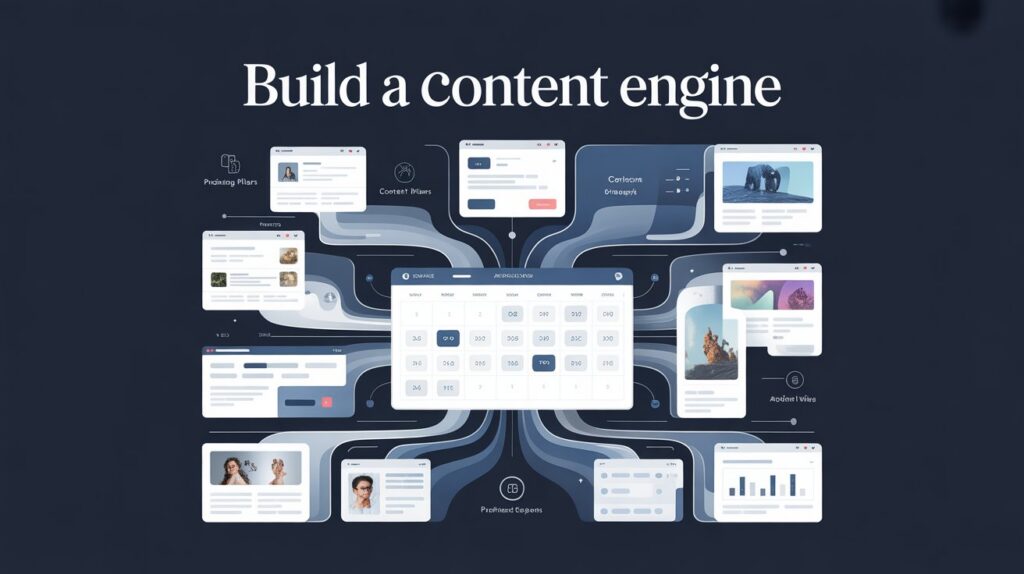
Building a Content Engine Instead of Posting at Random.
A practical note on cadence, approvals, repurposing, and what makes social content feel consistent instead of improvised.
Random posting creates random results. The brands that feel consistent online usually are not improvising day to day. They are operating from a clearer system that makes planning, production, approvals, and publishing easier to sustain, particularly in content marketing. Establishing a content engine allows brands to strategize effectively, ensuring their message resonates with the audience while also maintaining a steady flow of engaging content. This structured approach to content creation not only enhances visibility but also drives engagement, ultimately leading to better results.
A content engine removes guesswork from the calendar and enhances strategic planning.
Understanding the Role of Content Marketing in Your Content Engine
Without a system, each post starts from zero. Topics feel reactive, approvals drag, and the brand voice becomes inconsistent across platforms. A better process starts by defining pillars, formats, and the cadence that the team can realistically sustain. For instance, a brand might focus on weekly themes that align with its overall marketing strategy, ensuring that every piece of content contributes to larger business goals. Additionally, using content calendars helps in visualizing the planned topics, ensuring that there is a balanced mix that resonates with the target audience’s interests.
That does not mean every post looks the same. It means the decision-making layer is already in place, so the team is not reinventing the workflow every week. By establishing templates or guidelines for different types of content, teams can streamline their processes while still allowing for creativity. Having a clear structure reduces friction and helps foster an environment where innovative ideas can flourish without the chaos that often derails content production.
Repurposing works better when the source content is stronger and well-defined.
A single strong idea can travel across social posts, email, website copy, reels, short clips, and long-form articles. The mistake is thinking repurposing means copying and pasting. What matters is adapting the same core message to the context of each channel. For example, an insightful blog post can be distilled into bite-sized quotes for social media, turned into an infographic, or explored further in a video format. This variety allows the brand to engage with audiences on their preferred platforms, enhancing reach.
When the source idea is clear and useful, distribution becomes easier. Instead of chasing volume, the content starts reinforcing itself. By creating a central asset, brands can ensure that all content created from it aligns with their messaging, ultimately creating a cohesive narrative across platforms. This interconnectedness not only strengthens brand identity but also fosters audience loyalty.
Consistency is a systems problem before it is a creativity problem, and it can be overcome with strategic planning.
Most brands do not stop posting because they ran out of ideas. They stop because production becomes messy, ownership is unclear, or approvals are too slow. A content engine fixes the operational side so creativity has room to work. By assigning clear roles and responsibilities within the content team, every member knows their part in the process, fostering accountability and ensuring that deadlines are met without unnecessary delays.
That is what turns content into an asset instead of another recurring task that always feels one week behind. With a well-structured content engine, brands can leverage analytics to assess what works and what doesn’t, allowing for continuous improvement and adaptation based on audience feedback and engagement metrics.
The brands that look consistent are usually the ones with a stronger system behind the scenes.
The brands that look consistent are usually the ones with a stronger system behind the scenes.
The brands that look consistent are usually the ones with a stronger system behind the scenes.
From My Brand Alchemy
Case Study Example: Success Through a Content Engine
Final Thoughts on Building Your Content Engine
Establishing a content engine is not just about efficiency; it’s about building a strategy that yields long-term results. As you invest time into creating a robust content marketing system, remember to keep your audience’s needs at the forefront. Regularly revisit and adapt your content pillars to reflect changes in audience preferences and industry developments. With a solid content marketing foundation, you can ensure that your brand not only survives but thrives in a competitive landscape.
A notable example of effective content marketing can be seen in the approach taken by a well-known software company. By implementing a content engine, they were able to streamline their content creation process, leading to a 40% increase in engagement over six months. They defined their content pillars around user education, product insights, and industry trends, ensuring that every piece of content served a strategic purpose. The result was a cohesive brand narrative that resonated with their audience, ultimately driving conversions and customer loyalty.
We build content systems that make planning, production, and publishing feel more sustainable for the brand and the team behind it, especially in content marketing.